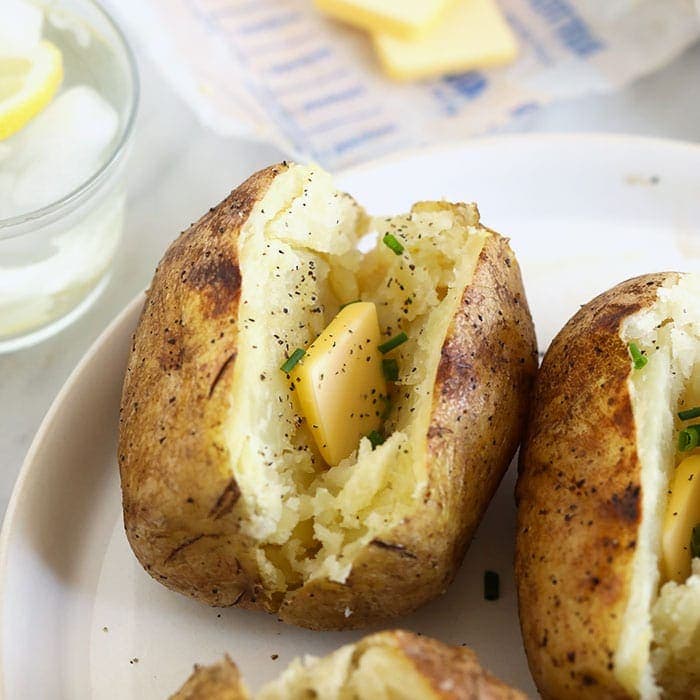
Foil-Wrapped Baked Potatoes: Navigating the Great Culinary Debate
The humble baked potato holds a special place in the hearts of many, serving as a comforting side dish or a hearty meal in its own right. Yet, behind its unassuming facade lies a surprisingly contentious debate: should you cook your baked potatoes in foil, or leave them naked? This isn't just a matter of personal preference for many; it's a culinary battleground where texture, tradition, and even food safety concerns clash. We've delved into expert opinions and kitchen wisdom to help you understand when wrapping your spuds in foil is a brilliant move, and when it's best avoided.
For some, the foil-wrapped baked potato is a nostalgic comfort, reminiscent of childhood dinners or classic steakhouse experiences. For others, the very thought of it sends shivers down their spine, conjuring images of soggy skins and less-than-fluffy interiors. Let's break down the science and the style behind both methods, ensuring your next baked potato experience is exactly what you envision.
The Great Foil Debate: Unpacking the Texture Trap
At the heart of the "to foil or not to foil" discussion lies texture. The method you choose dramatically impacts the potato's exterior and, to a lesser extent, its interior consistency. Many culinary professionals are quick to weigh in, with a prevailing consensus often leaning towards a foil-free approach for a specific reason: achieving that coveted crispy skin.
When you wrap a potato in foil before baking, you're essentially creating a mini-steamer. The foil traps the moisture released by the potato, preventing it from evaporating. While this can lead to a uniformly tender interior, it inevitably results in a soft, often leathery, or even soggy skin. If your ideal baked potato features a delightful crunch and a salty, golden-brown jacket, then you're likely in the camp that believes foil is the enemy of crispness. As recipe developer Jeanette Donnarumma notes, "if you’re a fan of that crispy, salty, golden-brown jacket on a baked potato (honestly, one of the best parts!), wrapping it in foil is going to do the opposite of that."
The Allure of the Crispy Skin: Why Chefs Often Go Naked
For many chefs and home cooks alike, the perfect baked potato boasts a contrast: a wonderfully crispy, seasoned skin giving way to a light, fluffy, almost cloud-like interior. This textural harmony is typically achieved by baking potatoes "naked" – directly on the oven rack, allowing for maximum air circulation. The dry heat of the oven draws out moisture from the skin, encouraging it to crisp up and develop that desirable crunch.
Chef Brian Mooney, among other experts, advocates for this method, stating, “I prefer a crispy, flavorful crust, which is best achieved by baking them uncovered.” This approach allows the potato to truly bake, rather than steam, fostering an ideal environment for moisture evaporation on the surface. If you're keen on mastering the art of the perfect crispy skin, you might find our detailed guide on Get Crispy Baked Potato Skin: Why Experts Skip the Foil incredibly useful.
When Baked Potatoes in Foil Shine: The Practical Advantages
Despite the strong arguments against foil for crispy skin, there are distinct scenarios where cooking baked potatoes in foil isn't just acceptable, but actually preferable, offering a range of practical benefits that cater to specific needs and cooking styles.
Keeping Warm for a Crowd: The Buffet MVP
One of the most significant advantages of wrapping potatoes in foil is their superior heat retention. If you're hosting a dinner party, planning a buffet, or preparing a large batch of potatoes for a crowd, foil acts as an excellent insulator. Jeanette Donnarumma highlights this benefit, stating, "the foil keeps them warm longer and helps prevent the skin from drying out." This ensures your potatoes stay warm and palatable for extended periods, making them ideal for serving situations where timing might be staggered.
Outdoor Cooking: Grill & Coals Guardians
When your cooking moves outdoors, foil becomes an indispensable tool. Baking potatoes directly on the coals of a campfire or grilling them over high heat presents unique challenges. In these intense environments, foil offers crucial protection:
- Cleanliness: As Juliana Hale Test Kitchen brand manager points out, "if you are baking them directly on the coals of a fire, wrapping the potatoes in foil is wise because they will stay clean." It prevents ash and debris from adhering to the potato.
- Protection from Intense Heat: Grilling can expose potato skins to extreme, direct heat, leading to charring before the interior is fully cooked. Foil creates a barrier, allowing the potato to cook through evenly without burning the exterior.
A Foolproof Path to Tenderness: For the Consistency Seekers
For those who prioritize a consistently tender, moist interior above all else, or for novice cooks seeking a guaranteed success, baked potatoes in foil can be a game-changer. The steamy environment created by the foil ensures even cooking and helps prevent dry or undercooked spots. As one home cook shared, foil-wrapped potatoes "turn out perfectly tender every single time. The foil creates a steamy environment that helps cook the potato evenly, and it’s practically impossible to mess up." If you've ever battled with a half-raw potato, this method offers a reassuringly foolproof alternative.
Presentation & Nostalgia: A Touch of Old-School Charm
Finally, there's the aesthetic and traditional aspect. Juliana Hale recalls her first job at an "old-school inn," where "the baked potatoes were wrapped in foil, like many steak houses of that era. I think this was maybe because it added some bling to the plate?" The glint of foil can indeed add a certain visual appeal, a touch of elegance, or simply evoke a sense of tradition. For many, a foil-wrapped potato feels inherently familiar and comforting, a nod to how their parents or favorite restaurants prepared them.
The Downsides: Why Going Foil-Free is Often Preferred
While foil offers several practical benefits, its drawbacks are significant for those who cherish certain characteristics in their baked potatoes. Understanding these downsides is crucial to making an informed decision about your cooking method.
The "Soggy Skin" Dilemma
As mentioned, the primary complaint against foil-wrapped potatoes is the compromised texture of the skin. By trapping steam, the foil prevents the skin from drying out and crisping up. The result is often a soft, almost rubbery, or leathery skin that lacks the satisfying crunch and flavor development of a naked baked potato. This can be a deal-breaker for many, as a crispy, salty skin is considered one of the highlights of a well-executed baked potato.
Interior Consistency: Steamed vs. Fluffy
Beyond the skin, the interior can also be affected. While foil ensures tenderness, the high moisture environment can lead to a more dense, "boiled-like" texture rather than the light, airy, and fluffy consistency often associated with the best baked potatoes. The subtle difference might not bother everyone, but for purists, the unique fluffiness of an oven-baked, foil-free potato is unparalleled.
Food Safety Considerations (An Important Note)
An often-overlooked but crucial drawback of keeping baked potatoes in foil is potential food safety risk, particularly if they are not handled correctly after cooking. As foil-wrapped potatoes cool down, moisture tends to build up between the potato skin and the foil, creating an anaerobic (oxygen-free) environment. This warm, moist, oxygen-deprived space is ideal for the growth of certain bacteria, most notably Clostridium botulinum, which produces a dangerous toxin. While rare, it's a serious concern.
To minimize risk:
- Always unwrap foil-baked potatoes immediately after cooking if you're not serving them hot.
- Do not leave foil-wrapped potatoes at room temperature for extended periods. Consume them promptly or refrigerate them unwrapped.
This critical safety aspect underscores why many experts recommend going foil-free for general oven baking, especially if there's a chance the potatoes might sit out for a while after cooking.
Mastering Your Baked Potato Method: Tips for Both Approaches
Ultimately, the choice to wrap your baked potatoes in foil or not depends on your desired outcome and cooking context. Here are some practical tips to perfect either method:
For Crispy Perfection (Foil-Free):
- Prep: Wash and scrub your potatoes thoroughly. Pierce the skin all over with a fork (about 6-8 times) to allow steam to escape and prevent bursting.
- Season: For maximum crispiness and flavor, rub the potato skin generously with olive oil or another high-smoke-point oil (like avocado oil) and sprinkle liberally with coarse salt (kosher salt works wonderfully).
- Bake: Place potatoes directly on the oven rack. Bake at a high temperature, typically 400-425°F (200-220°C), for 45-60 minutes, or until the skin is crisp and the interior is tender when squeezed.
- Finish: For an extra-crisp finish, you can briefly increase the heat to 450°F (230°C) for the last 5-10 minutes.
For Tender & Warm (Foil-Wrapped):
- Prep: Wash, scrub, and prick your potatoes as you would for the foil-free method. This is still important to prevent excessive steam buildup and potential bursting.
- Wrap: Lightly coat the potato in a small amount of oil or butter (optional, but adds flavor). Wrap each potato tightly in aluminum foil.
- Bake: Bake in the oven (or on the grill/coals) at 375-400°F (190-200°C) for 60-75 minutes, or until very tender when pierced with a fork.
- Serve & Safety: If serving immediately, keep them wrapped to retain heat. Crucially, if you are not serving them right away, unwrap them as soon as they are cooked. Allowing them to cool unwrapped prevents dangerous moisture buildup and bacterial growth. If keeping warm for a short period, transfer to an insulated container or a very low oven (below 150°F / 65°C) still wrapped.
Conclusion
The debate over baked potatoes in foil isn't about right or wrong; it's about understanding the impact of your cooking choices on the final product. While most culinary experts lean towards foil-free for that coveted crispy skin and fluffy interior, wrapping potatoes in foil offers undeniable benefits for heat retention, outdoor cooking, guaranteed tenderness, and a touch of nostalgic charm. By weighing these pros and cons, and considering your desired outcome, you can confidently choose the best method for your next batch of delicious spuds.
Whether you prefer the crisp crunch of a naked potato or the uniform tenderness of a foil-wrapped one, both methods have their place in the kitchen. Experiment, discover your preference, and enjoy the versatile glory of the baked potato. For a deeper dive into expert opinions, make sure to read Should You Wrap Baked Potatoes in Foil? Chefs Reveal All.
