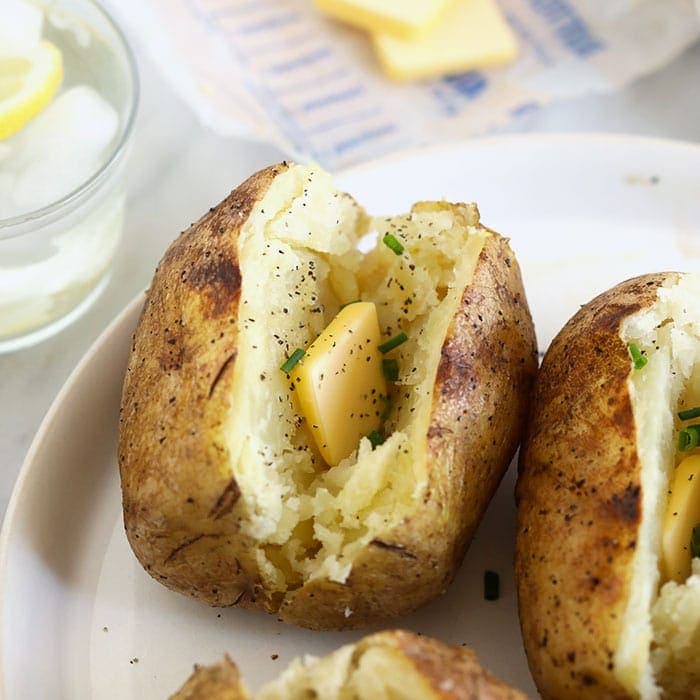
The quest for the perfect baked potato often leads home cooks down a familiar path: wrapping their spuds in aluminum foil before popping them into the oven. It’s a tradition passed down through generations, often seen as a foolproof method to achieve a tender interior. But what if we told you that for truly crispy, restaurant-quality baked potato skin, the very thing many of us swear by — baking baked potatoes in foil — is precisely what culinary experts advise against?
Indeed, a surprising consensus emerges when you ask professional chefs about the best way to bake a potato: ditch the foil. While foil-wrapped baked potatoes do have their place in certain scenarios, they actively work against the goal of a gloriously crisp, flavorful skin. Let's delve into the great foil debate, uncover the perceived benefits, expose the downsides, and reveal the secrets to achieving that coveted golden-brown jacket.
The Foil Factor: A Culinary Tradition and Its Perceived Perks
For many, the idea of baking potatoes without foil feels almost sacrilegious. Whether it’s a memory from childhood dinners or a habit picked up from popular cookbooks, the belief that foil is essential for a perfectly cooked potato is deeply ingrained. Some even recall seeing foil-wrapped potatoes served at old-school steakhouses, suggesting a touch of "bling" or presentation value.
Understanding the Allure of Foil-Wrapped Baked Potatoes
There are indeed several reasons why baking potatoes in foil became a widespread practice. While these benefits might not align with the goal of crispy skin, they are valid considerations in specific cooking situations:
- Consistent Tenderness: Foil creates a steamy environment around the potato, essentially steaming it as it bakes. This ensures a uniformly tender, fluffy interior every single time, making it a reliable method for those who prioritize a soft texture and want to avoid any raw spots. It's particularly forgiving for new cooks or anyone aiming for a foolproof result.
- Exceptional Heat Retention: If you're preparing a large batch of potatoes for a buffet, a dinner party, or any event where they need to stay warm for an extended period, foil acts as an excellent insulator. It keeps the potatoes hot long after they come out of the oven, preventing the interior from cooling down and the skin from drying out too quickly.
- Protection in Outdoor Cooking: When baking potatoes directly in the hot coals of a campfire or grilling them over intense flames, foil serves as a crucial protective barrier. It shields the potato skin from direct, scorching heat, preventing charring or burning while allowing the interior to cook through evenly. This keeps them clean and edible in rugged cooking environments.
- Mess-Free Cooking: Some home cooks appreciate the minimal cleanup offered by foil. Any juices or residue from the potato are contained within the foil, keeping oven racks or grill grates cleaner.
Why Experts Skip the Foil for Crispy Perfection
Despite the apparent advantages, culinary professionals overwhelmingly agree that if a crispy skin is your objective, foil is your foe. Their reasoning boils down to fundamental cooking principles and the desired textural outcome.
The Undeniable Downside: Steamed, Soggy Skins
The primary reason chefs eschew foil for classic baked potatoes is simple: it locks in moisture. "Wrapping potatoes in foil is going to do the opposite of that," says one expert, referring to the desired crispy, salty, golden-brown jacket. The foil traps the steam released by the potato as it cooks, turning what should be a crisping process into a steaming session. The result? A skin that is soft, often leathery, and an interior that can lean towards being soggy, reminiscent of a boiled potato rather than a fluffy, dry-fleshed baked one.
For those who consider the crackly, savory skin one of the best parts of a baked potato – a textural counterpoint to the soft interior – foil-wrapping is a direct sabotage. It prevents the natural evaporation and caramelization that lead to that irresistible crunch.
Addressing Food Safety Concerns
Beyond texture, there are also potential food safety implications to consider, particularly if foil-wrapped potatoes are left to cool. As potatoes cool slowly while still encased in foil, moisture can build up between the skin and the foil. This creates a moist, anaerobic (oxygen-free) environment. If the potato remains in the "danger zone" temperature range (between 40°F and 140°F or 5°C and 60°C) for too long, this environment can unfortunately become conducive to the growth of certain harmful bacteria, such as Clostridium botulinum, which thrives in such conditions. While typically rare, it’s a risk worth noting, especially in foodservice settings where potatoes might be prepared in advance.
The Secret to Crispy Skin: Baking "Naked"
The consensus among culinary experts is clear: for the ultimate crispy skin and a fluffy interior, bake your potatoes "naked" – that is, without foil. This method allows for proper air circulation and moisture evaporation, which are key to achieving that desirable crust. Here’s a step-by-step guide to achieving perfection:
- Choose the Right Potato: Start with large Russet potatoes (also known as Idaho potatoes). Their high starch content and thick skins make them ideal for baking, resulting in a fluffy interior and a sturdy, crisp exterior.
- Clean and Dry Thoroughly: Wash your potatoes under cold running water, scrubbing off any dirt. The most critical step for crispiness is to dry them completely. Use a clean kitchen towel or paper towels. Any residual moisture will steam the skin rather than crisp it.
- Prick the Skin: Use a fork or a sharp knife to prick the potatoes several times all over. This allows steam to escape from the interior during baking, preventing the potato from exploding and ensuring a dry, fluffy texture inside.
- Oil and Salt are Key: For maximum crispiness and flavor, lightly rub the dried, pricked potatoes with a high-smoke-point oil (like olive oil, avocado oil, or grapeseed oil). This helps conduct heat and promotes browning. Then, generously sprinkle them with coarse sea salt or kosher salt. The salt not only adds flavor but also helps draw out moisture from the skin, enhancing its crispness.
- High Heat is Your Friend: Preheat your oven to a relatively high temperature, typically 400-425°F (200-220°C). High heat is essential for developing that desirable crispy crust.
- Bake Directly on the Rack: Place the oiled and salted potatoes directly on the oven rack. This allows for maximum air circulation around the entire surface of the potato, ensuring even crisping. Place a baking sheet on a lower rack to catch any drips.
- Bake Until Tender and Crisp: Baking time will vary depending on the size of the potato, but generally, large Russets will take 60-90 minutes. They are done when the skin is deeply golden brown and crispy, and the interior is fork-tender. You can test for doneness by inserting a skewer or fork into the thickest part; it should slide in easily.
- Finish with a Flourish: Once baked, give your potatoes a quick squeeze to fluff the interior, slice them open, and serve immediately with your favorite toppings.
When Foil Can Be Your Friend: Exceptions to the Rule
While the general rule for crispy skin is to go foil-free, there are indeed specific situations where foil-wrapped baked potatoes are not only acceptable but recommended. These exceptions prioritize different outcomes than crispiness:
- Steamed Potato Style: If your preference truly leans towards a softer, more uniformly steamed potato texture with a tender skin, then foil will deliver exactly that. This might be desirable for certain dishes or personal tastes.
- Cooking on Open Flames or Coals: As mentioned, for outdoor cooking directly over hot coals or a grill, foil provides essential protection against burning and helps cook the interior evenly without charring the exterior. This is where baked potatoes in foil truly shine for practicality.
- Keeping Potatoes Warm for Serving: For catering, buffets, or large gatherings where potatoes need to be held at serving temperature for an extended period, foil is invaluable for heat retention.
In these specific scenarios, the benefits of foil outweigh the desire for a crispy skin. However, for everyday home baking, especially when that golden, crackly crust is the goal, professionals agree: let your potatoes breathe!
The debate surrounding baked potatoes in foil often comes down to a matter of preference and purpose. While foil certainly offers benefits like consistent tenderness, heat retention, and protection in certain cooking methods, it inevitably sacrifices the coveted crispy skin. For those yearning for that satisfying crunch and a light, fluffy interior, the culinary experts have spoken: skip the foil, embrace the naked bake, and prepare to elevate your baked potato experience to a whole new level of deliciousness.
